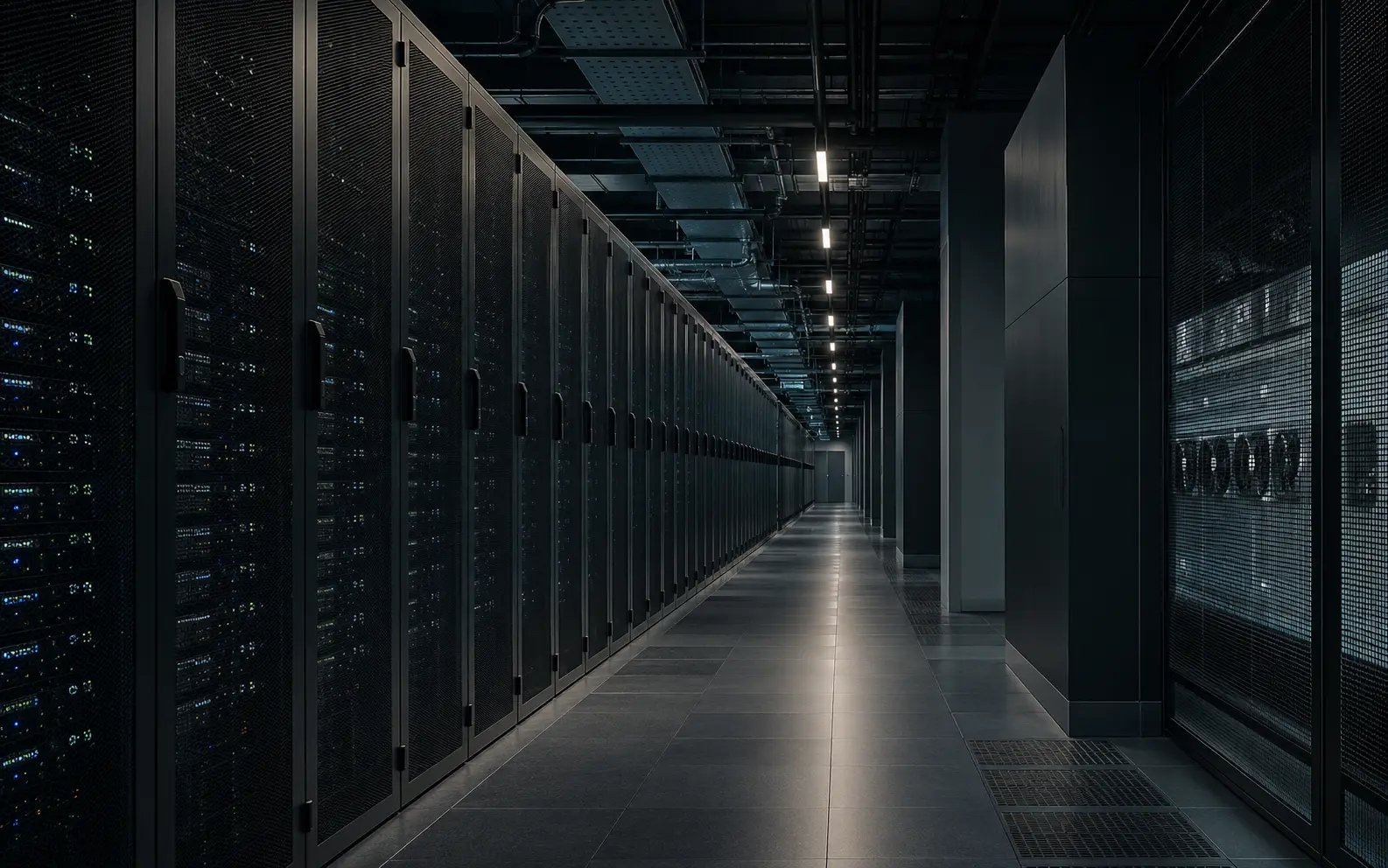
A data center is often described in terms of its computing capacity. For those involved in the project, however, it is a chain of contracts and dependencies: land, power, connectivity, equipment, construction, operations, tenants and financing.
Each participant sees a different part of that chain. The developer needs to complete construction on schedule. The supplier wants to be paid for high-value equipment. The lender assesses repayment capacity and execution. The investor monitors the predictability of revenue over time.
Credit risk may be concentrated in the tenant or the buyer of computing capacity. Execution risk arises during construction and the delivery of critical equipment. Power involves availability, grid connection and supply contracts. Transactions involving foreign capital or suppliers may also raise political risk issues.
Insurance and surety bonds can address some of these exposures, depending on the structure and insurers’ appetite. Potential instruments include trade credit insurance, non-payment insurance, surety insurance and political risk coverage. The right design depends on each contract and on who needs the protection.
The best time for this assessment is before the financial structure is finalized. At that stage, there is still an opportunity to align contracts, security and participants’ expectations, rather than seeking a solution after the terms have already been set.
Eleven acts as an insurance broker. Coverage is subject to insurers’ assessment and acceptance. Eleven does not provide credit or financing.
Back to insights